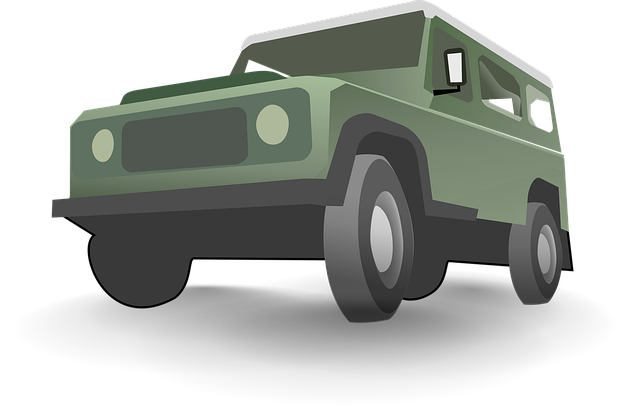
ABS sensors are crucial components in off-road vehicles, ensuring optimal braking performance during challenging overland voyages. This article delves into their function, benefits, common issues, and essential maintenance tips for those navigating rugged terrain with their RGV 4x4s.
Introduction to Overland 4×4 Parts RGV and ABS Sensors
In the world of off-road adventures, where rugged landscapes and challenging trails are the norm, the reliability of a vehicle’s braking system is paramount. This is where overland-4×4-parts-RGV (Recreational General Vehicle) come into play, specifically focusing on their Anti-lock Braking System (ABS) sensors. These sensors are pivotal in enhancing safety and control during demanding overland journeys.
ABS sensors work tirelessly to prevent wheel lockup, allowing drivers to maintain steering ability even on slippery or uneven surfaces. This article aims to provide an in-depth understanding of ABS sensors, their significance in overland-4×4-parts-RGV, and the associated benefits and troubleshooting tips for enthusiasts exploring remote areas.
Understanding ABS Sensors: The Unseen Heroes
What are ABS Sensors?
ABS sensors, also known as wheel speed sensors, are electronic components installed in each wheel of a vehicle. They monitor the rotational speed of the wheels during braking, providing critical data to the vehicle’s computer system.
How Do They Function?
When you apply the brakes, the ABS sensors generate signals that are sent to the Control Unit (ECU). The ECU compares these signals from each wheel and determines if any wheel is rotating slower than the others, indicating a potential lockup. It then takes immediate action by pulsing the brakes on the affected wheels in quick succession, preventing skidding and allowing for better control.
Benefits of ABS Sensors in Overland 4×4 Vehicles:
- Improved Braking Performance: ABS sensors enhance stopping power on diverse terrains, ensuring consistent braking even when mud, snow, or debris covers the wheels.
- Enhanced Control: They prevent wheel spin during acceleration, especially useful for low-traction conditions often encountered off-road.
- Safety: ABS reduces the risk of accidents by maintaining better control in critical situations, making it invaluable on treacherous overland routes.
- Efficient Braking Distribution: These sensors enable the vehicle’s computer to distribute braking force precisely to each wheel, optimizing performance on uneven surfaces.
The Importance of ABS Sensors in Overland 4×4 Parts RGV
For off-road enthusiasts exploring remote areas with their overland-4×4-parts-RGV, ABS sensors offer a range of advantages:
- Navigating Unpredictable Terrain: Off-road trails often present unpredictable challenges, from steep descents to muddy fords. ABS sensors ensure that the vehicle’s brakes respond accurately, providing much-needed stability and control.
- Reduced Rollover Risk: In low-traction conditions, such as climbing steep slopes or navigating loose gravel, ABS helps prevent wheel spin and potential rollovers.
- Enhanced Safety During Emergencies: In an emergency stop on a narrow trail, ABS sensors enable the driver to maintain steering control while braking effectively, minimizing the risk of accidents.
- Reliability in Remote Locations: In remote areas where professional assistance may be scarce, relying on well-maintained ABS sensors can make a significant difference in ensuring safe passage.
Common ABS Sensor Issues and Troubleshooting Tips
Despite their reliability, ABS sensors can encounter problems, especially after prolonged use or exposure to harsh conditions:
1. Sensor Damage or Failure:
- Symptoms: Reduced braking performance, erratic ABS activation, or complete absence of ABS during braking.
- Causes: Extreme temperature changes, road debris impact, or corrosion can lead to sensor failure.
- Solution: Replace the faulty sensor with a compatible OEM (Original Equipment Manufacturer) part. Ensure proper installation and clean the mounting area to prevent future issues.
2. Sensor Calibration Issues:
- Symptoms: ABS engages even when not required, causing unnecessary brake application during normal driving.
- Causes: Sensor calibration can shift due to wear or environmental factors.
- Solution: Calibrate the ABS system using a diagnostic tool, following the vehicle manufacturer’s guidelines. Regular sensor maintenance and updates can prevent calibration drift.
3. Wiring Problems:
- Symptoms: ABS lights remain on consistently or flash, indicating a potential wiring fault.
- Causes: Damaged or frayed wires, loose connections, or corrosion at connectors.
- Solution: Inspect the wiring harness for any visible damage. Tighten or replace loose connections and use protective tubing to prevent further harm.
Maintenance and Upkeep of ABS Sensors
Regular maintenance is crucial to ensure optimal performance of ABS sensors in overland-4×4-parts-RGV:
- Inspect Regularly: During routine vehicle checks, examine the sensors for any visible damage or corrosion. Clean the mounting areas with appropriate tools and solutions.
- Keep Wiring Intact: Ensure all wiring connections are secure and well-insulated. Avoid routing wires through areas prone to wear and tear.
- Use Quality Fluids: Top up brake fluid regularly, using only the recommended type and quality as per your RGV’s specifications. Contaminated or old brake fluid can affect sensor performance.
- Professional Diagnostics: If you encounter persistent ABS issues, consult a qualified mechanic with experience in off-road vehicles. They can perform advanced diagnostics to pinpoint problems accurately.
Frequently Asked Questions (FAQs)
Q: How often should I replace ABS sensors in my RGV?
A: It is recommended to inspect ABS sensors during routine maintenance checks. Replace them if showing signs of damage, corrosion, or failure. Most sensors last several years with proper care but can vary based on usage and environmental conditions.
Q: Can off-road driving experience cause ABS sensor issues?
A: Absolutely. Aggressive off-roading, especially on harsh trails, can put additional strain on sensors. Extreme temperature changes, road debris, and frequent lockup events may contribute to early sensor degradation. Regular maintenance is essential for such vehicles.
Q: Are there any specific tools needed for ABS sensor maintenance?
A: While basic inspection can be done with a visual check, advanced diagnostics and calibration often require specialized tools like OBD (On-Board Diagnostics) scanners and brake diagnostic devices. These tools ensure accurate troubleshooting and calibration adjustments.
Q: Can I drive my RGV if the ABS light is on?
A: Driving with an ABS light should be done with caution. While some vehicles may still function normally, it indicates a potential issue that needs attention. Consult a professional mechanic for proper diagnosis and repair to ensure safety.
Conclusion:
ABS sensors are indispensable components in overland-4×4-parts-RGV, providing enhanced braking performance and control during challenging off-road adventures. Understanding their function, common issues, and proper maintenance routines can significantly contribute to a safer and more enjoyable overland journey. By keeping these sensors in optimal condition, off-road enthusiasts can conquer remote trails with confidence, knowing their vehicle’s braking system is up to the task.